
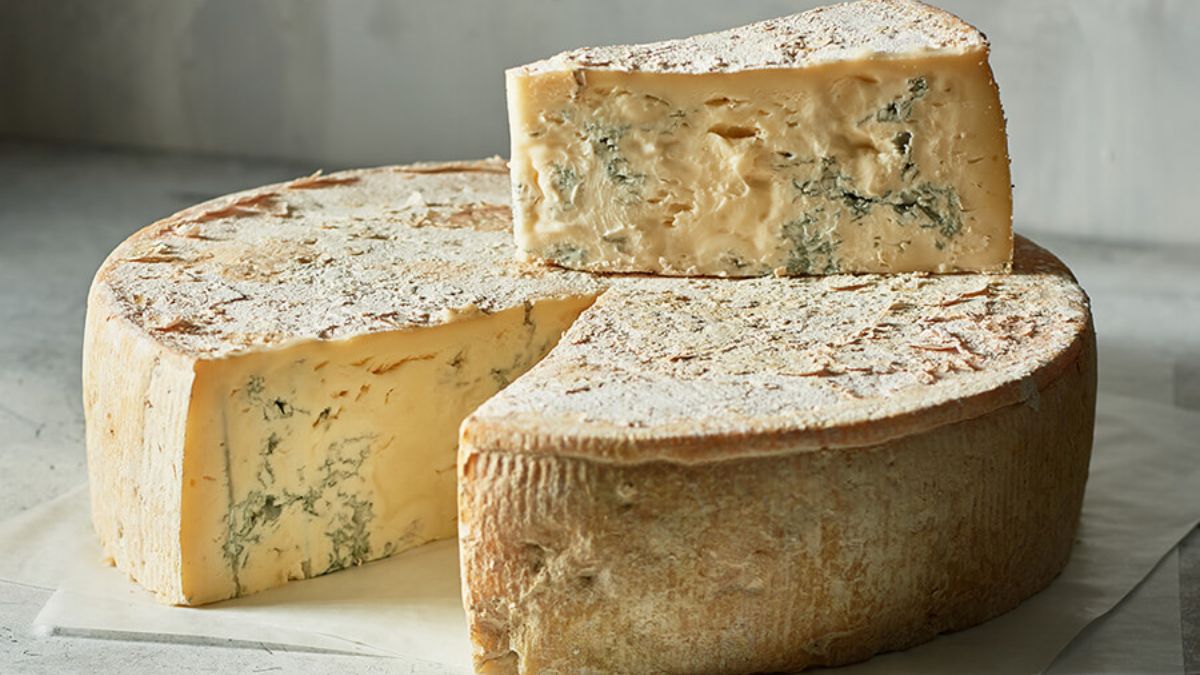
Masgonzola is a cheese that has slowly carved its niche among gourmet enthusiasts and casual food lovers alike. Its distinct flavor, creamy texture, and slightly tangy notes make it an ideal choice for those looking to elevate their meals or cheese boards. Unlike more common cheeses, Masgonzola brings a unique combination of tradition and modern culinary appeal, offering both versatility in cooking and depth in taste.
Cheese aficionados often describe Masgonzola as a harmonious balance between the sharpness of blue cheese and the creaminess of a soft cheese. This makes it not only a delight on its own but also a perfect complement to fruits, wines, and various dishes. For anyone unfamiliar with it, Masgonzola represents a culinary journey worth exploring.
In this guide, we will cover everything you need to know about from its history and varieties to its flavor profile, health benefits, and cooking applications. By the end, you will have a complete understanding of how to appreciate, pair, and utilize Masgonzola in your daily culinary adventures.
What is Masgonzola?
Masgonzola is a semi-soft cheese that combines the creamy texture of traditional Italian cheeses with the distinct, tangy taste reminiscent of Gorgonzola. Unlike other cheeses that can feel either too sharp or too bland, strikes a balance that makes it versatile for various uses, from simple cheese platters to sophisticated culinary creations.
Its aroma is subtly pungent, giving it a characteristic depth without being overpowering. The texture is smooth, yet slightly crumbly, making it easy to spread on bread or incorporate into sauces. These qualities make it an ideal choice for both casual and formal dining.
One of the key differences between and other blue cheeses is its milder mold presence. While Gorgonzola or Roquefort can be intense, is approachable for those who might be new to blue cheeses. This makes it a perfect starting point for anyone looking to explore more complex cheeses without being overwhelmed.
The cheese’s versatility extends beyond taste. Its creamy body allows it to melt evenly, making it perfect for cooking applications such as pasta, risotto, or savory tarts. Masgonzola’s unique profile makes it not only a cheese to savor but also an ingredient that enhances a variety of dishes.
History and Origin of Masgonzola
Masgonzola has roots that trace back to traditional Italian cheesemaking regions, where dairy farmers experimented with various techniques to create cheeses that were rich in flavor yet soft in texture. While exact historical records are sparse, culinary historians suggest that Masgonzola emerged as a variant of Gorgonzola, adapted to meet changing tastes and regional preferences.
Originally, was produced by small artisan cheesemakers who focused on quality rather than quantity. These cheeses were prized for their delicate balance of creaminess and tang, making them a staple in local markets and a favorite among connoisseurs. Over time, its reputation spread beyond Italy, earning recognition among gourmet enthusiasts worldwide.
In modern times, Masgonzola production combines traditional techniques with precise temperature and humidity controls to maintain consistency and flavor. Regions in northern Italy remain the primary producers, but its popularity has encouraged small-scale production globally. Today, whether purchased from specialty shops or online stores, authentic carries a legacy of craftsmanship and taste.
Masgonzola Varieties and Types
Masgonzola comes in several varieties, primarily distinguished by age and texture. Younger Masgonzola is soft, creamy, and mild, ideal for spreading on bread or adding to salads. Aged Masgonzola develops a stronger flavor, with more pronounced tang and a firmer texture, making it suitable for pairing with bold wines or incorporating into cooked dishes.
There are also specialty editions, often produced in limited batches by artisanal cheesemakers. These may include seasonal variations or cheeses infused with herbs and spices, offering unique tasting experiences for adventurous food lovers. Whether soft or aged, every Masgonzola variant shares the common traits of creamy texture and balanced flavor, making it versatile for different culinary applications.
Understanding the differences in Masgonzola varieties allows chefs and home cooks alike to choose the right type for their needs. For instance, a mild, creamy version is perfect for a fresh summer salad, while an aged, tangy Masgonzola elevates winter pasta dishes or risottos with deeper, richer flavors.
Flavor Profile and Tasting Notes
Masgonzola is celebrated for its unique flavor profile, which combines creamy richness with a subtle tanginess. The initial taste is smooth and slightly sweet, followed by a gentle, lingering tang that stimulates the palate without overwhelming it. Its aroma is delicate yet distinctive, offering a hint of earthiness that complements its flavor.
Texture is another highlight of Masgonzola. Soft and creamy, it spreads easily and melts beautifully, making it an excellent addition to sauces or baked dishes. The balance between smooth creaminess and mild tang makes it a favorite for both casual snacking and gourmet presentations.
Pairing Masgonzola requires attention to complementary flavors. Light, fruity wines such as Sauvignon Blanc or Chardonnay enhance its creamy notes, while nuts and dried fruits balance its tanginess. It pairs exceptionally well with pears, figs, or apples, making it an excellent choice for cheese boards and entertaining.
Health Benefits of Masgonzola
Masgonzola is not only delicious but also offers nutritional benefits. Rich in protein, calcium, and essential vitamins, it supports bone health and muscle function. Its moderate fat content, when consumed in reasonable portions, provides energy while contributing to a balanced diet.
Some studies suggest that fermented cheeses like Masgonzola may aid digestion due to beneficial bacteria present in the aging process. Additionally, it contains phosphorus and vitamin B12, which are important for maintaining overall health and supporting metabolic functions.
Despite these benefits, moderation is key. Masgonzola can be high in sodium and saturated fats, so mindful consumption is recommended. Incorporating it into meals strategically such as pairing small portions with fresh fruits or vegetables ensures enjoyment without compromising health.
Cooking with Masgonzola
Masgonzola’s creamy texture and balanced flavor make it a versatile ingredient in cooking. It melts smoothly, adding richness to pasta, risottos, or sauces. For salads, it crumbles beautifully over greens, adding a sophisticated twist. Its mild tang enhances the taste of roasted vegetables, meats, and even pizzas.
When using Masgonzola in recipes, it’s essential to preserve its flavor. Adding it toward the end of cooking or using it as a garnish maintains its aromatic profile and creamy texture. For melting, moderate heat ensures it blends evenly without becoming oily or separating.
Some popular dishes include Masgonzola pasta with walnuts, Masgonzola risotto with mushrooms, and Masgonzola-stuffed chicken breast. The cheese can also elevate simple snacks, such as crackers topped with honey and Masgonzola, offering an elegant yet easy-to-prepare appetizer.
Buying and Storing Masgonzola
When buying Masgonzola, look for signs of quality such as creamy texture, balanced aroma, and authentic labeling. Specialty cheese shops often provide tasting opportunities, which can help you choose the right variant for your palate. Online stores also offer options, though careful selection ensures authenticity.
Proper storage preserves flavor and texture. Keep Masgonzola in the refrigerator, wrapped in wax paper or a breathable cheese wrap, and avoid airtight plastic as it can trap moisture and affect taste. Consume it within a few weeks of purchase, especially for softer varieties, to enjoy peak flavor.
Conclusion
Masgonzola is a cheese that combines tradition, flavor, and versatility, making it a favorite for cheese enthusiasts and culinary creatives alike. Whether enjoyed on its own, paired with wine and fruits, or used in cooking, it offers a unique taste experience that elevates any meal. With proper storage and mindful consumption, Masgonzola can be a delicious, healthy, and sophisticated addition to your kitchen.
Also Read: businessmagazines