
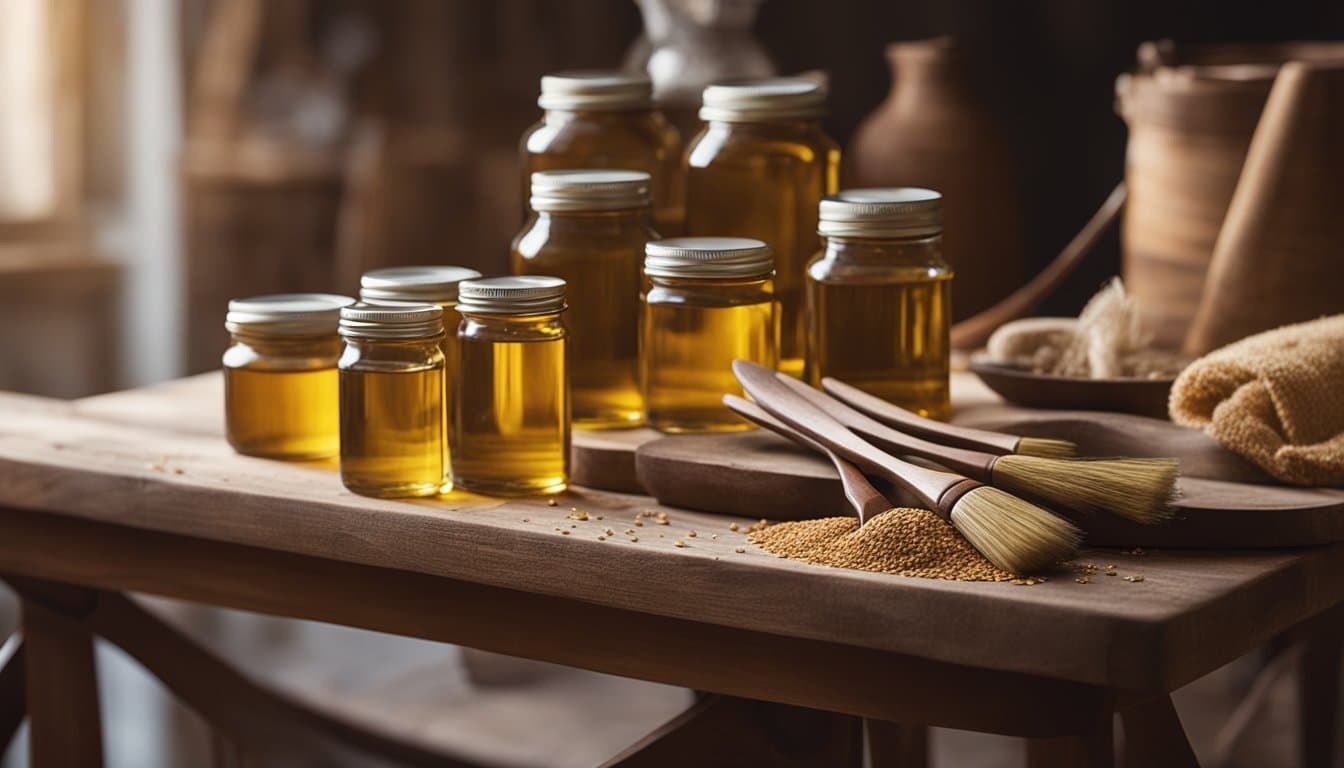
Foenegriek, known in many parts of the world as fenugreek, is one of the oldest medicinal and culinary plants ever cultivated by humans. For thousands of years, this humble herb has quietly supported digestion, balanced hormones, enhanced flavor in cooking, and improved overall wellness. Today, foenegriek is experiencing a powerful revival as more people turn toward natural remedies and plant-based nutrition to improve their health.
Although it may look like a simple seed or leafy green herb, foenegriek contains an impressive concentration of nutrients, antioxidants, and bioactive compounds that make it far more powerful than most people realize. From traditional medicine practices to modern scientific studies, foenegriek continues to prove its value as a versatile superfood.
In this complete guide, you will discover what foenegriek is, where it comes from, how it is used, its health benefits, and how you can safely add it to your daily routine.
What Is Foenegriek?
Foenegriek is a flowering plant belonging to the legume family. It produces small golden-brown seeds that have a distinctive aroma and slightly bitter, nutty flavor. Both the seeds and leaves are used in cooking and medicine.
The plant grows best in warm climates and has been cultivated across regions of Asia, the Middle East, North Africa, and the Mediterranean for centuries. Today, it is grown worldwide and widely available in seed, powder, capsule, tea, and extract form.
What makes foenegriek unique is that every part of the plant is usable. The leaves are often cooked like spinach or added fresh to dishes, while the seeds are dried and used as spices, supplements, or herbal preparations.
The History of Foenegriek
Foenegriek has an incredibly rich and fascinating history. Ancient civilizations valued it for both food and medicine long before modern pharmaceuticals existed.
Archaeological records show that foenegriek was used in ancient Egypt, where it was consumed for digestive health and even included in embalming practices. The Greeks and Romans later adopted it for treating inflammation and improving strength. In traditional herbal systems, it was often prescribed to new mothers, people with low energy, and those suffering from digestive issues.
In many cultures, foenegriek was considered a household remedy. Families would soak the seeds, make herbal teas, or grind them into powders to address everyday health concerns. Its reputation as a healing plant has carried forward into modern times, where scientific research is now validating many of these traditional uses.
Nutritional Profile of Foenegriek
One reason foenegriek has such a strong effect on the body is its exceptional nutritional content. The seeds contain fiber, protein, vitamins, minerals, and plant compounds that work together to support multiple systems in the body.
Foenegriek is particularly rich in soluble fiber, which helps regulate digestion and blood sugar levels. It also provides iron, magnesium, manganese, and several B vitamins that contribute to energy production and metabolic health.
In addition to basic nutrients, foenegriek contains powerful plant chemicals such as saponins, flavonoids, and alkaloids. These compounds are believed to be responsible for many of its medicinal benefits, including its anti-inflammatory and antioxidant properties.
Because of this combination of nutrients and active compounds, foenegriek is often described as both a food and a functional herb.
Health Benefits of Foenegriek
Digestive Support and Gut Health
Foenegriek has long been used to soothe the digestive system. The soluble fiber found in the seeds forms a gel-like substance when mixed with water, which helps ease constipation and promote smoother bowel movements.
This fiber also acts as a prebiotic, feeding beneficial gut bacteria and supporting a healthy microbiome. A balanced gut can improve nutrient absorption, reduce bloating, and strengthen immunity.
Many people find that drinking foenegriek tea or consuming soaked seeds helps relieve stomach discomfort naturally.
Blood Sugar Control
One of the most researched benefits of foenegriek is its potential to regulate blood sugar levels. The fiber content slows down carbohydrate absorption in the digestive tract, preventing sudden spikes in glucose.
Several studies suggest that regular consumption of foenegriek may help improve insulin sensitivity. This makes it particularly interesting for people managing diabetes or those looking to stabilize their energy levels throughout the day.
Because of this effect, foenegriek is sometimes included in natural blood sugar management plans.
Hormonal Balance
Foenegriek has a reputation for supporting hormonal health in both men and women. Traditionally, it has been used to ease menstrual discomfort, support reproductive health, and promote milk production in nursing mothers.
For women, certain compounds in foenegriek may help relieve symptoms associated with hormonal fluctuations, such as cramps and mood changes. For men, some research indicates it may support healthy testosterone levels, which can contribute to strength, stamina, and vitality.
This broad hormonal support makes foenegriek one of the most versatile herbal supplements available.
Heart Health
The fiber and antioxidants found in foenegriek may help lower cholesterol levels and improve cardiovascular health. Soluble fiber binds to excess cholesterol in the digestive system and helps remove it from the body.
By reducing LDL cholesterol and supporting better circulation, foenegriek may contribute to a healthier heart and lower risk of cardiovascular disease.
Including foenegriek as part of a balanced diet could therefore benefit long-term heart wellness.
Weight Management
Foenegriek can also play a supportive role in healthy weight management. Because it is high in fiber, it helps create a feeling of fullness that reduces overeating and unnecessary snacking.
When consumed before meals, foenegriek may help control appetite and improve portion control. Combined with exercise and balanced nutrition, it can be a helpful addition to a weight-loss strategy.
Skin and Hair Benefits
Foenegriek is not only beneficial internally but also externally. The seeds can be soaked and ground into a paste to create natural skincare or hair treatments.
Traditionally, foenegriek masks are used to soothe irritated skin, reduce acne, and improve complexion. For hair, it may strengthen roots, reduce dandruff, and add shine.
These topical uses make foenegriek popular in natural beauty routines.
Culinary Uses of Foenegriek
Foenegriek has a unique flavor that adds depth and warmth to many dishes. The seeds have a slightly bitter, nutty taste, while the leaves provide a fresh, aromatic note.
In cooking, foenegriek is often toasted to enhance its flavor before being ground into spice blends. It is commonly found in curries, soups, stews, breads, and sauces.
The leaves can be used fresh or dried and added to vegetables or flatbreads. Some people even sprout the seeds and add them to salads for a nutritional boost.
Because it is both flavorful and nutritious, foenegriek is an excellent addition to everyday meals.
How to Use Foenegriek
There are many ways to incorporate foenegriek into your lifestyle depending on your goals.
Some people soak the seeds overnight and drink the water in the morning for digestive support. Others grind the seeds into powder and mix them into smoothies or yogurt.
Foenegriek tea is another simple option, made by steeping crushed seeds in hot water. Supplements in capsule or extract form are also widely available for convenience.
Culinary use remains one of the most enjoyable methods, allowing you to benefit from foenegriek while enhancing the flavor of your food.
Possible Side Effects and Precautions
Although foenegriek is generally safe for most people, it should be used responsibly. Large amounts may cause digestive discomfort such as gas or bloating.
Because foenegriek can lower blood sugar, individuals taking medication for diabetes should consult a healthcare professional before using it regularly. Pregnant women should also seek medical advice before consuming high amounts.
Starting with small quantities and observing how your body responds is always a wise approach.
FAQs About Foenegriek
What does foenegriek taste like?
Foenegriek has a slightly bitter, nutty, and maple-like flavor. Toasting the seeds enhances their aroma and reduces bitterness.
Can foenegriek be taken daily?
Yes, moderate daily use is generally safe and often beneficial. However, dosage should remain reasonable.
Is foenegriek good for digestion?
Yes, it is widely known for supporting digestion and relieving constipation due to its high fiber content.
How long does it take to see benefits?
Some effects, such as improved digestion, may be noticed quickly, while hormonal or metabolic benefits may take several weeks of consistent use.
Can I cook with foenegriek seeds directly?
Yes, but lightly toasting them first improves flavor and makes them easier to digest.
Final Thoughts
Foenegriek is far more than just an ancient spice. It is a powerful, nutrient-dense plant that supports digestion, balances blood sugar, promotes heart health, and enhances overall well-being. Its long history of traditional use combined with modern scientific interest makes it one of the most trusted natural remedies available today.
Whether you choose to cook with it, drink it as tea, or take it as a supplement, adding foenegriek to your routine can provide lasting health benefits. Simple, affordable, and remarkably versatile, foenegriek truly deserves its place among the world’s most valuable herbs.
If you are looking for a natural way to improve your wellness, foenegriek might just be the perfect place to start.